




Job Design and Role Descriptions

Job Design and Role Descriptions​ Toolkit for Leaders

Evidence and Resources

A curated set of models, templates, and references to help you standardise role profiles, build a competency dictionary, map people-to-roles, and support the whole system with digital tools — all based on role clarity evidence to ensure roles are meaningful, accountable, and aligned with business priorities.

Job Design and Role Descriptions

Job Design and Role Descriptions​ Toolkit for Leaders

Evidence and Resources

A curated set of models, templates, and references to help you standardise role profiles, build a competency dictionary, map people-to-roles, and support the whole system with digital tools — all based on role clarity evidence to ensure roles are meaningful, accountable, and aligned with business priorities.

1

What it covers: A V4 (Czechia–Hungary–Poland–Slovakia) overview of HR systems and practices across the full “HR operating model” — HR role/strategy/workforce planning, job structure, recruitment, training/onboarding, talent management, evaluation (incl. appraisal), health & safety, pay/benefits, HR self-service/HRIS, HR controlling, and HR outsourcing.

Why it’s worth a leader’s time: A practical regional benchmark of how HR is organised in V4 organisations, helping leaders spot gaps and compare options to strengthen role clarity evidence in their own HR systems.

2

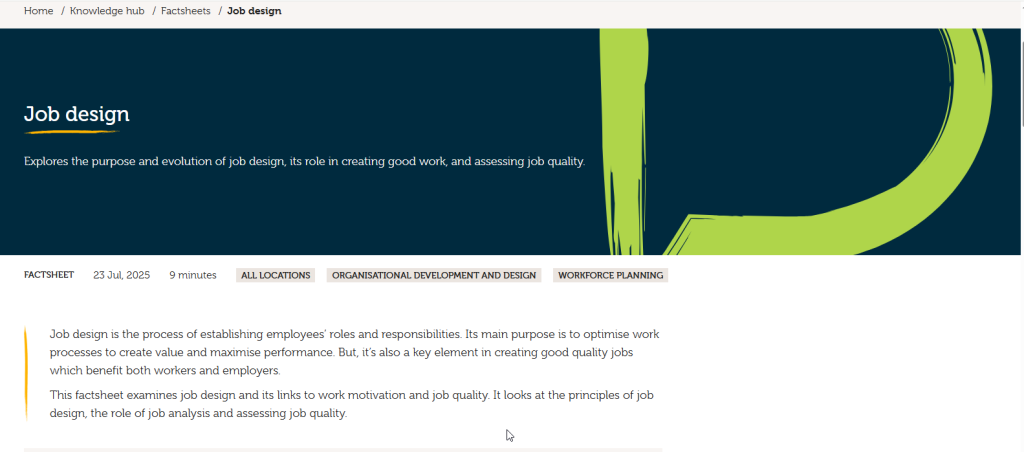
What it covers: Practical overview of job design principles, links to motivation and job quality, the role of job analysis, and how to assess job quality.

Why it’s worth a leader’s time: Translates research into actionable design choices — ideal for shaping standards and manager capability while improving role clarity evidence.

3

What it covers: Foundational job design logic (job characteristics and redesign methods) linking work structure to motivation and performance outcomes.

Why it’s worth a leader’s time: Provides the “why” behind autonomy, task identity, and meaningfulness, giving leaders tools to improve role understanding and apply role clarity evidence in practice.

4

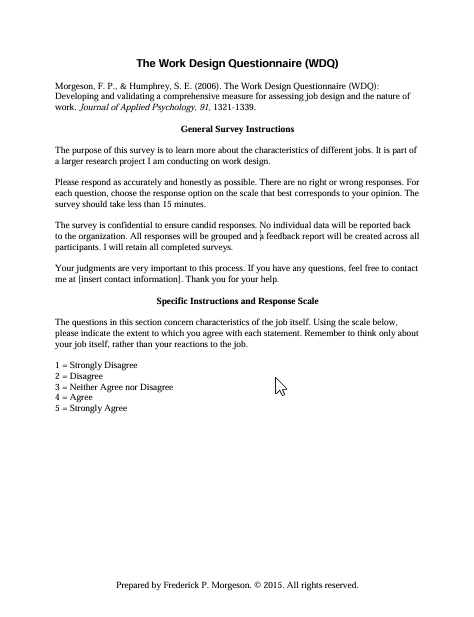
What it covers: A validated way to assess work design across task, knowledge, social, and contextual characteristics (with a practical instrument).
Why it’s worth a leader’s time: If you want to diagnose roles systematically (not anecdotally), this is one of the most credible tool-based starting points.

5

What it covers: The “how” of job analysis and role documentation — methods, research grounding, and applications (selection, training, evaluation, job design).
Why it’s worth a leader’s time: It helps you avoid the classic failure mode of job descriptions: inconsistent data, vague wording, and documents nobody trusts or uses.

6

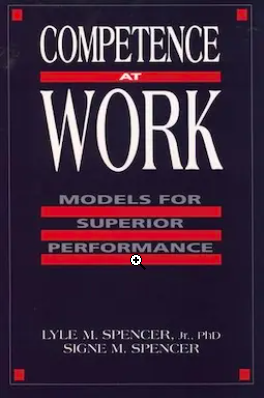
What it covers: Competency modelling foundations and practical ways to define competencies linked to superior performance.
Why it’s worth a leader’s time: If your organisation wants skills-based role design (not task lists), this provides robust language and structure for competency dictionaries and role profiles.

7

What it covers: Global trends shaping work, including boundaryless work, skills-based organisation shifts, and the implications for designing roles and capability systems.
Why it’s worth a leader’s time: Useful for board-level narratives and transformation framing — it helps position job design as future-of-work infrastructure, not admin.

8

What it covers: Central HRM handbook used in Hungarian practice, including job analysis/design foundations and how HR systems are built and formalised in different organisational contexts.
Why it’s worth a leader’s time: It anchors job design decisions in the realities of local practice and organisational maturity — especially useful when scaling from SME-style flexibility to more formalised systems.

Explore the next part of the Toolkit:

Business Impact

Drive efficiency, engagement, and retention with competency-based job design for role clarity in your organisation.

See next part

The framework

Build clarity, mobility, and efficiency with a job architecture and role design framework for your...

See next part